Plumbing emergencies have a funny way of happening at the worst possible moments—usually on a holiday, in the middle of the night, or right before you have a house full of guests. At Bob Means Plumbing, we’ve taken our fair share of 2:00 AM calls, and while we are always happy to help, we’d much rather help you avoid the emergency altogether.
Most “emergencies” aren’t actually sudden events; they are the culmination of small issues that were ignored for too long. By understanding the most common culprits, you can take proactive steps to keep your home dry and your stress levels low.
1. The Catastrophic Pipe Burst
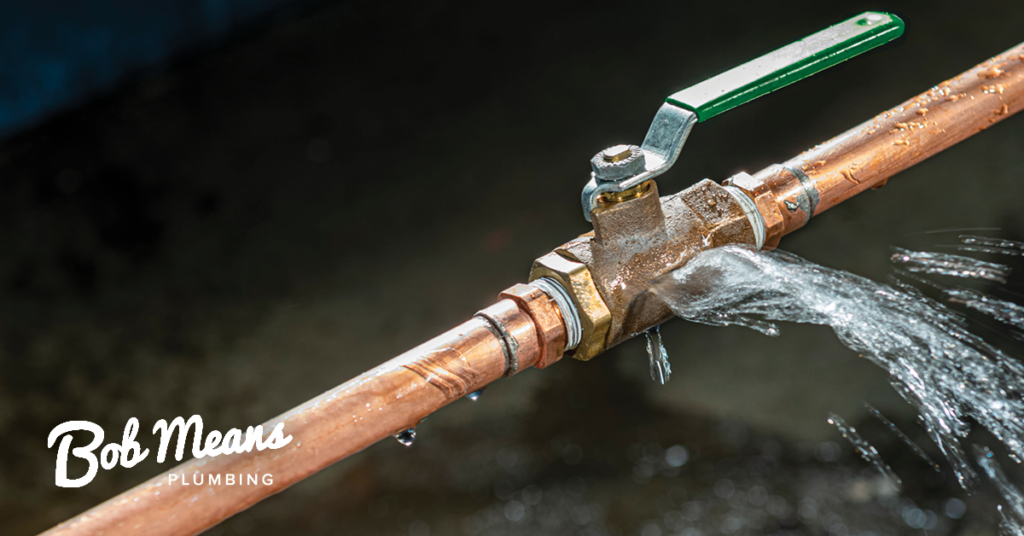
A burst pipe is the king of plumbing emergencies. Within minutes, hundreds of gallons of water can ruin flooring, drywall, and electronics.
- The Cause: In Central PA, the primary cause is freezing. However, excessive water pressure (anything over 80 PSI) can also weaken pipes over time until they snap.
- The Prevention: Ensure your home’s Water Pressure Regulator is functioning correctly. If you hear a “thump” when you turn off a faucet (water hammer), your pressure might be too high. Also, ensure all pipes in unconditioned spaces are insulated.
2. Main Sewer Line Backups
There is nothing quite as unpleasant as seeing raw sewage back up into your basement floor drain or your first-floor shower.
- The Cause: Tree roots seeking water are the #1 cause of sewer line failures in our region. Flushing “flushable” wipes—which are never actually flushable—is a close second.
- The Prevention: Have your sewer line professionally inspected with a camera every few years, especially if you have mature trees on your property. And remember: the only things that should go down the toilet are the “Three Ps” (Pee, Poop, and Paper).
3. Water Heater Failure
Coming home to a flooded utility room because your water heater tank finally gave out is a common—and expensive—emergency.
- The Cause: Sediment buildup at the bottom of the tank causes the metal to overheat and eventually crack. Additionally, an old anode rod (which prevents rust) will eventually dissolve, leaving the tank vulnerable to corrosion.
- The Prevention: Flush your water heater once a year to remove sediment and have a professional check the anode rod every 3-5 years. If your heater is over 10 years old, consider a proactive replacement before it fails.
4. Sump Pump Failure During a Storm
In Harrisburg and the surrounding communities, heavy spring rains can quickly overwhelm a basement. If your sump pump fails during a downpour, you have a major problem.
- The Cause: Mechanical failure, a clogged intake screen, or—most commonly—a power outage.
- The Prevention: Test your sump pump every spring by pouring a bucket of water into the pit. Most importantly, invest in a battery-backup sump pump system. It’s the only way to ensure your basement stays dry when the power goes out.
The Power of Proactive Maintenance
The secret to avoiding the “Emergency Plumber” bill is the “Maintenance Plumber” visit. A yearly check-up from a qualified technician can catch the small drip, the slightly high pressure, or the aging valve before they turn into a 911 call. At Bob Means Plumbing, we pride ourselves on our thoroughness. We look at the things you don’t see so you don’t have to deal with the consequences later.
Take the “Emergency” out of your plumbing. Call Bob Means Plumbing at (717) 412-7434 or visit our website to request a preventative maintenance visit.