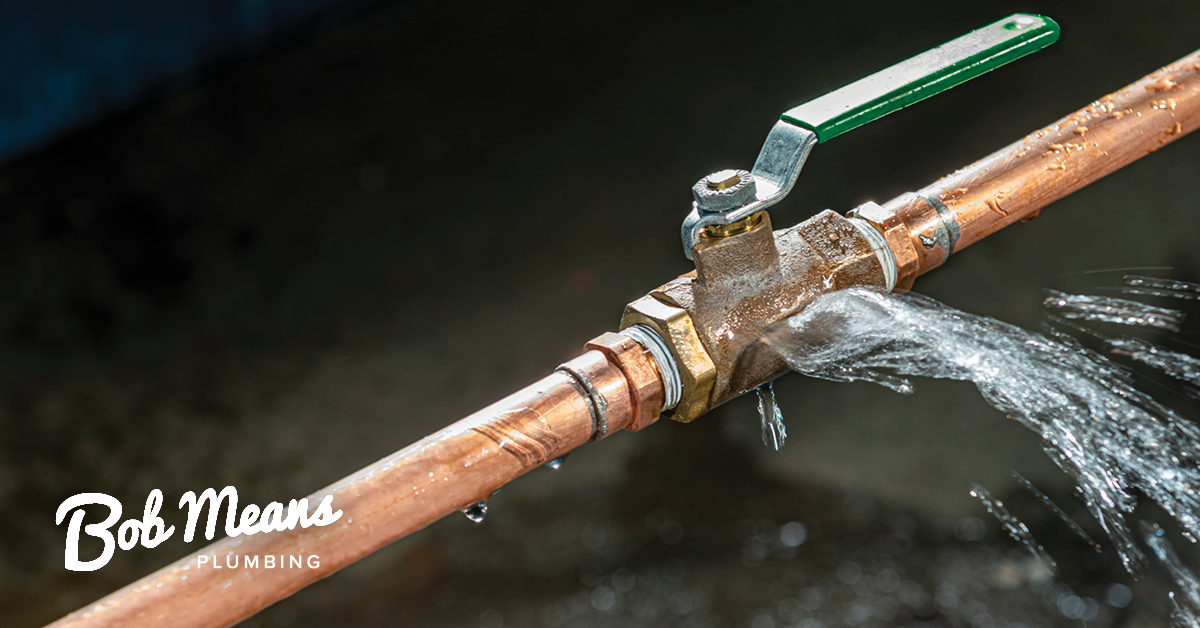
In Central Pennsylvania, we know that winter isn’t just a season—it’s a test of endurance for our homes. While we’re busy pulling out the heavy coats and raking the last of the leaves, our plumbing systems are bracing for the deep freeze. Every year, when the first true “arctic blast” hits the Susquehanna Valley, our phones at Bob Means Plumbing start ringing off the hook with reports of frozen and burst pipes.
The tragedy is that 90% of these emergencies are preventable with about an hour of preparation in the fall. Here is your definitive guide to winterizing your home before the temperatures drop.
The “Big Three” of Winterization
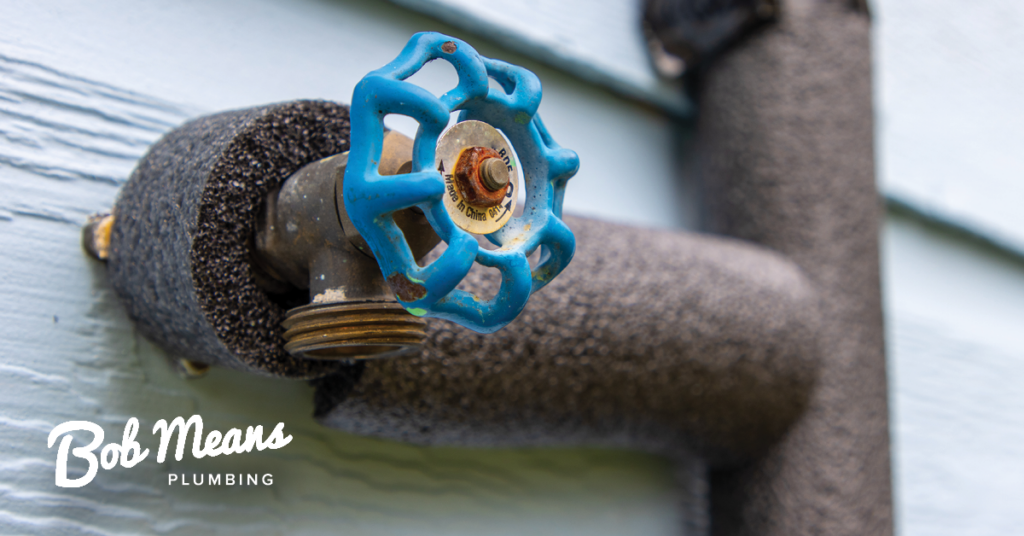
1. Outdoor Lines and Hose Bibs Your outdoor faucets are the most vulnerable point in your system. Even if you have “frost-proof” faucets, they can still burst if a garden hose is left attached, as the hose prevents the water from draining out of the pipe.
- The Task: Disconnect all hoses, drain them, and store them. If you have interior shut-off valves for your outdoor spigots, turn them off and open the outdoor tap to let the remaining water drain out. For the ultimate protection, consider upgrading to an Aquor Outdoor Faucet.
2. Pipe Insulation in Unheated Spaces Pipes that run through crawlspaces, unheated basements, or near drafty exterior walls are at high risk. When water freezes, it expands with enough force to shatter copper and plastic alike.
- The Task: Use foam pipe insulation (the “pool noodle” looking sleeves) to cover any exposed water lines. Pay special attention to the elbows and joints, as these are often the first places to freeze.
3. The Water Heater Check Your water heater works significantly harder in the winter because the water coming into your home from the city or well is much colder than it is in July. This “thermal shock” can put stress on an aging tank.
- The Task: Flush your tank to remove sediment (which acts as an insulator and makes the heater less efficient) and check the temperature setting. It should be set to 120°F—high enough for sanitation but low enough to prevent scalding and save energy.
What to Do During a “Deep Freeze”
When the local news warns of sub-zero temperatures, there are a few “emergency” tactics you can use:
- Drip the Faucets: Letting a faucet furthest from the water main drip slightly keeps water moving, which makes it much harder to freeze. It also relieves the pressure that builds up between a frozen spot and the faucet.
- Open Cabinet Doors: If you have a sink on an exterior wall, open the cabinet doors to let the warm air from your home circulate around the pipes.
- Know Your Main Shut-Off: If a pipe does burst, every second counts. Ensure every adult in the house knows exactly where the main water shut-off valve is located and that it isn’t stuck or rusted in the “open” position.
Professional Winterization Services
If you have a vacation home, a rental property, or just want the peace of mind that comes with a professional eye, Bob Means Plumbing offers comprehensive winterization services. Get your system ready for whatever a PA winter throws at it.
Don’t get caught in the cold. Contact Bob Means Plumbing at (717) 412-7434 or schedule your winterization service online today.