Central Pennsylvania is rich with history, and that history is reflected in our beautiful architecture. From the stately Victorian homes in Midtown Harrisburg to the charming mid-century properties in Camp Hill and Mechanicsburg, our region is full of homes with “character.” However, if you live in a home built before the 1970s, that character often extends to the plumbing system hidden behind your plaster walls.
At Bob Means Plumbing, we specialize in helping homeowners navigate the unique challenges of aging infrastructure. Understanding the lifespan of your pipes is the key to preventing catastrophic water damage and ensuring your home remains a safe haven for the next generation.
The Problem with Galvanized Pipes
If your home was built between the 1920s and the 1960s, there is a high probability it was originally piped with galvanized steel. These pipes were the industry standard for decades because they were strong and durable. However, they have a major flaw: they corrode from the inside out.
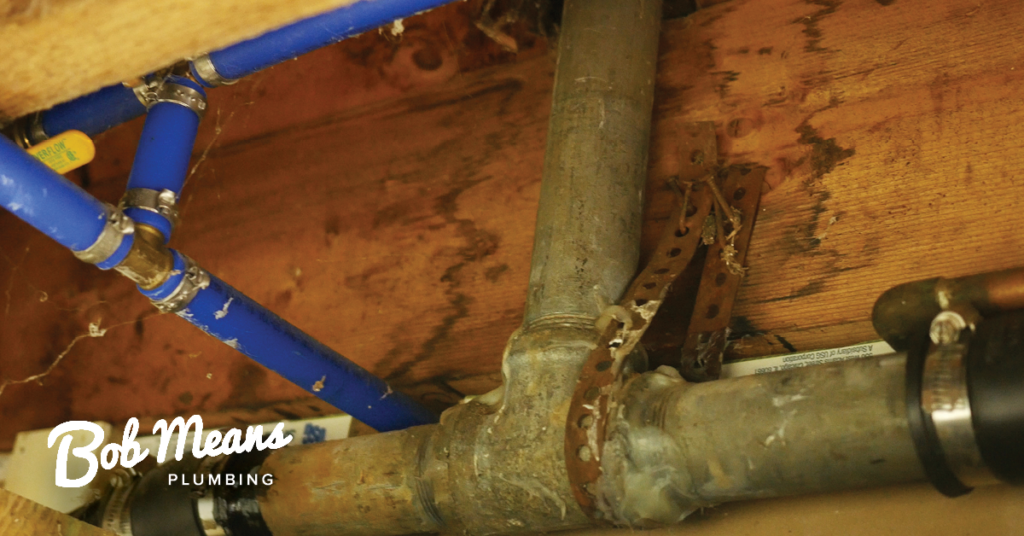
Over time, the zinc coating on galvanized pipes wears away, exposing the steel to water and oxygen. This leads to rust buildup inside the pipe, much like plaque in an artery. As the interior diameter of the pipe narrows, you’ll notice a significant drop in water pressure. Worse yet, that rust can flake off, clogging your faucet aerators and even discoloring your water. Eventually, the corrosion eats through the metal entirely, leading to pinhole leaks that can go unnoticed for weeks.
Recognizing the Warning Signs of Aging Pipes
You don’t need to tear down a wall to know if your pipes are reaching the end of their lifespan. Keep an eye out for these red flags:
- Discolored Water: If your water looks slightly brown or “rusty” first thing in the morning, it’s a sign of internal pipe corrosion.
- Inconsistent Pressure: If you can’t run the dishwasher and take a shower at the same time without the shower pressure dropping to a trickle, your pipes are likely constricted by mineral and rust buildup.
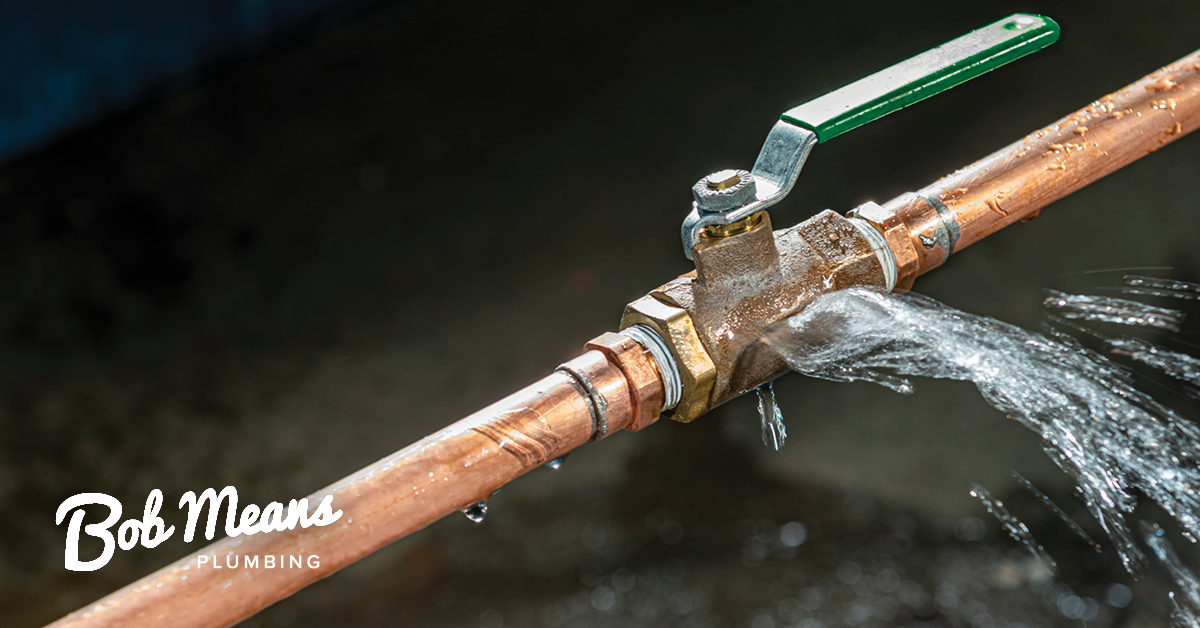
- Frequent Pinhole Leaks: Once a system starts springing small leaks in multiple locations, it’s telling you that the metal has thinned to the point of failure.
- Visible Corrosion: Look at the exposed pipes in your basement or crawlspace. Do you see white, crusty buildup (calcification) or blue-green stains on the joints? These are signs of “slow” leaks that are currently sealing themselves with minerals but will eventually fail.
Long-Term Planning for Pipe Replacement
Replacing the plumbing in an entire home (a “re-pipe”) can sound daunting, but it’s an investment that pays dividends in home value and peace of mind. Modern materials like copper or high-quality PEX (cross-linked polyethylene) are designed to last 50 to 100 years without the corrosion issues of the past.
At Bob Means Plumbing, we don’t believe in high-pressure sales. We work with homeowners to create a long-term plan. Sometimes that means replacing the most vulnerable sections first (like the main horizontal lines in the basement) and phasing the rest of the project as your budget allows.
The Bob Means Approach: Integrity First
We understand the emotional and financial attachment you have to your historic home. Our goal is to preserve that history while modernizing the systems that keep it running. We use non-invasive diagnostic tools to assess the health of your lines and provide honest, transparent recommendations.
Don’t wait for a burst pipe to act. Contact Bob Means Plumbing at (717) 412-7434 or schedule a whole-home plumbing inspection via our website to learn more about your home’s Repiping Options.