In today’s world, we are all looking for ways to be a bit more efficient. We switch to LED lightbulbs, we program our thermostats, and we try to recycle. But one of the biggest sources of waste in the average American household is also one of the easiest to miss: water.
According to the EPA, the average family wastes nearly 9,400 gallons of water annually from household leaks. That’s equivalent to the amount of water needed to wash 270 loads of laundry! In Central Pennsylvania, where utility rates continue to rise, that waste isn’t just an environmental concern—it’s a hole in your wallet. At Bob Means Plumbing, we want to help you identify these hidden leaks and upgrade your home to modern, water-saving standards.
The Usual Suspects: Where the Waste Happens
Most water waste doesn’t happen during a catastrophic pipe burst. It happens in slow, rhythmic drips and “silent” flows that you eventually stop noticing.
1. The “Phantom” Toilet Leak The most common culprit for a high water bill is a leaking toilet. A faulty flapper—the rubber seal at the bottom of the tank—can allow water to constantly trickle into the bowl. Because it’s often silent, you might not notice it until you see your monthly statement. A single leaking toilet can waste up to 200 gallons of water per day.
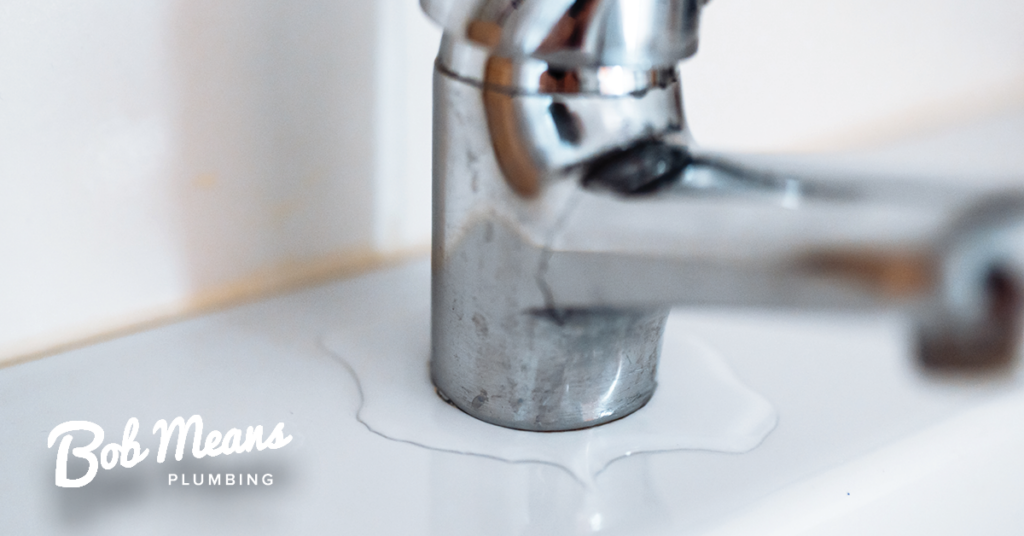
2. Dripping Faucets and Showerheads That “drip… drip… drip” in the guest bathroom might seem like a minor annoyance, but a rate of one drip per second adds up to over 3,000 gallons a year. Usually, this is caused by a worn-out washer or O-ring, a simple fix that pays for itself in weeks.
3. Aging Water Heaters Older tank-style water heaters become less efficient as sediment builds up at the bottom. This requires the unit to run longer to heat the water, and in some cases, the Temperature and Pressure (T&P) relief valve can begin to leak slowly, sending hot, expensive water straight down your floor drain.
Efficiency Upgrades: Saving Money While Improving Performance
The good news is that plumbing technology has come a long way in the last decade. You don’t have to sacrifice a powerful shower or a clean flush to save water.
- High-Efficiency Toilets (HETs): Older toilets use 3.5 to 7 gallons per flush. Modern WaterSense-certified models use just 1.28 gallons while offering better flushing power thanks to improved bowl design.
- Low-Flow Aerators: Adding a high-quality aerator to your kitchen and bathroom faucets can reduce water flow by 30% or more without a noticeable change in pressure.
- Tankless Water Heaters: Unlike traditional tanks that keep 50 gallons of water hot 24/7, tankless water heaters only heat water when you turn on the tap. This eliminates “standby heat loss” and ensures you never run out of hot water.
The Financial Impact: Why It Matters
When you stop wasting water, you save money in two ways. First, you lower your water and sewer bill. In many parts of Central PA, sewer charges are based on your water usage, so you’re essentially paying twice for every gallon you waste. Second, you save on energy. If you are wasting hot water, you are paying your gas or electric company to heat water that is literally going down the drain.
How to Check for Leaks Yourself
You don’t always need a plumber to find a leak. Here is a simple “Plumbing Audit” you can do this weekend:
- The Dye Test: Put a few drops of food coloring in your toilet tank. Wait 15-20 minutes without flushing. If color appears in the bowl, you have a leak.
- Check the Meter: Turn off all water in the house. Go outside and look at your water meter. If the little dial or digital readout is moving, water is escaping somewhere.
- Look for “Sweating”: If you see moisture on the outside of your pipes or water heaters, it’s a sign of a slow leak or high humidity that needs to be addressed.
Partner with Bob Means Plumbing
At Bob Means Plumbing, we want to be your partners in making your home more efficient and sustainable. Our team is known for its integrity; we’ll never recommend an upgrade unless we truly believe it will benefit your home and your budget.Stop the waste and start saving. Call Bob Means Plumbing at (717) 412-7434 or schedule a home efficiency consultation on our website.