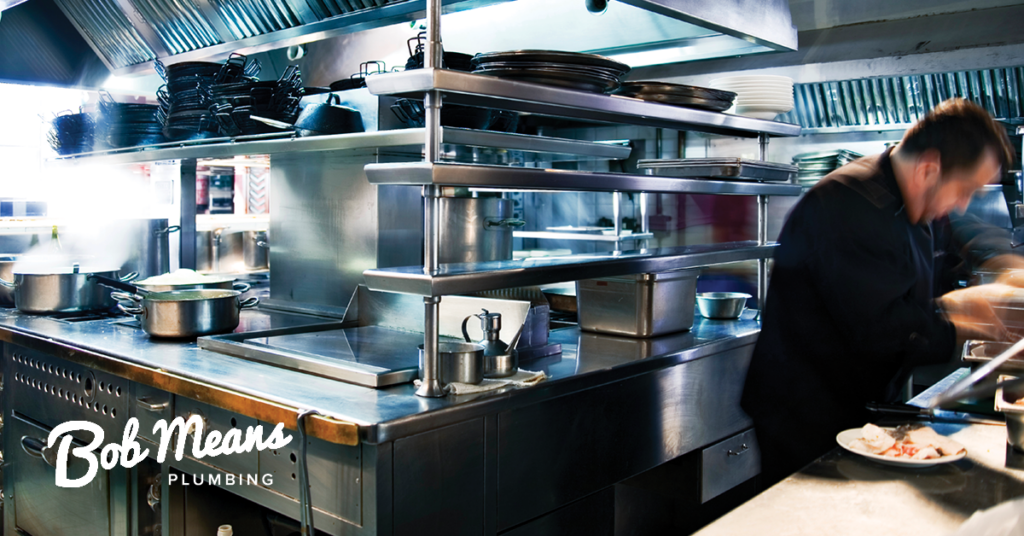
In the high-stakes environment of a Pennsylvania commercial kitchen, there is no room for downtime. Whether you’re running a busy bistro in downtown Harrisburg or a large-scale catering facility in Mechanicsburg, your plumbing system is the backbone of your operation. When the drains back up or the grease trap overflows, the kitchen grinds to a halt, health codes are violated, and your revenue disappears.
Commercial plumbing is a different beast than residential service. It requires a deep understanding of local health codes, high-volume usage patterns, and the specific challenges of food service. At Bob Means Plumbing, we specialize in helping restaurateurs keep their kitchens compliant and their drains clear.
The Grease Trap: Your Kitchen’s Best Friend (and Biggest Risk)
If there is one piece of equipment that defines the health of a commercial kitchen’s plumbing, it’s the grease trap (or grease interceptor). Pennsylvania’s environmental regulations are strict regarding Fats, Oils, and Grease (FOG). If FOG enters the municipal sewer system, it can cause massive “fatbergs” that clog city lines and lead to sewage backups.
Why Maintenance is Non-Negotiable:
- Health Code Compliance: Local health inspectors in Central PA look specifically at grease trap maintenance logs. If you aren’t pumping and cleaning your trap on a regular schedule, you risk fines or closure.
- Odor Control: A neglected grease trap is a breeding ground for bacteria, leading to a “rotten” smell that can easily drift into the dining area, ruining the customer experience.
- Avoiding Backups: Once a grease trap is full, the grease has nowhere to go but back up into your kitchen sinks or floor drains.
We recommend a professional cleaning and inspection of your grease trap at least once a quarter, though high-volume fry-heavy kitchens may need it monthly.
Floor Drains and the “Drain Fly” Dilemma
Floor drains are the unsung heroes of the kitchen, handling everything from mop water to accidental spills. However, because they are often tucked under prep tables or in dark corners, they are frequently neglected.
When food debris and organic matter build up in the P-traps of floor drains, they become a primary breeding ground for drain flies. These pests are a major red flag for health inspectors. Furthermore, if the water in the P-trap evaporates (common in low-use drains), sewer gases can enter the kitchen.
Pro Tip: Every floor drain in your facility should be “primed” with water regularly and treated with an enzyme-based cleaner to break down organic buildup.
Navigating PA Health Codes and Plumbing Standards
Pennsylvania follows specific versions of the International Plumbing Code (IPC) with local amendments. For commercial kitchens, this means very specific requirements for:
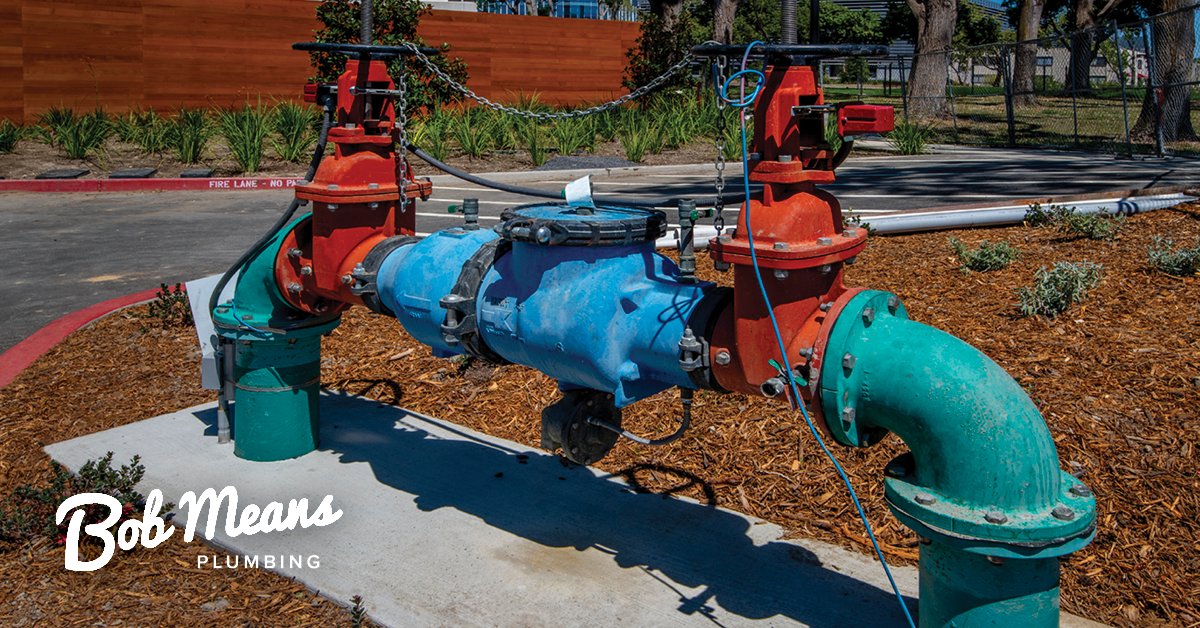
- Air Gaps: Ensuring there is a physical break between a sink’s drain and the sewer line to prevent “back-siphonage” of dirty water into a food prep sink.
- Handwashing Stations: These must be dedicated, accessible, and supplied with consistent hot water (usually between 100°F and 120°F).
- Indirect Waste Lines: Most ice machines and beverage stations require indirect waste lines to ensure sanitation.
The Importance of Preventative Maintenance
In the restaurant world, “if it ain’t broke, don’t fix it” is a recipe for disaster. A Friday night dinner rush is exactly when a neglected line will choose to clog.
We recommend preventative maintenance, which includes regular hydro-jetting of main lines to clear out grease buildup before it hardens, inspecting water heaters to ensure they can handle the high-temperature demands of commercial dishwashers, and checking all fixtures for slow leaks.
Why Choose Bob Means Plumbing?
We understand that as a business owner, you need a plumbing partner who is fast, reliable, and knowledgeable about the specific needs of the food service industry. We don’t just clear a clog; we look for the root cause to ensure it doesn’t happen again. We value integrity and transparent pricing, ensuring you can focus on your food while we handle the pipes.Keep your kitchen compliant and your drains flowing. Contact Bob Means Plumbing today at (717) 412-7434 or visit our website to request a commercial consultation.